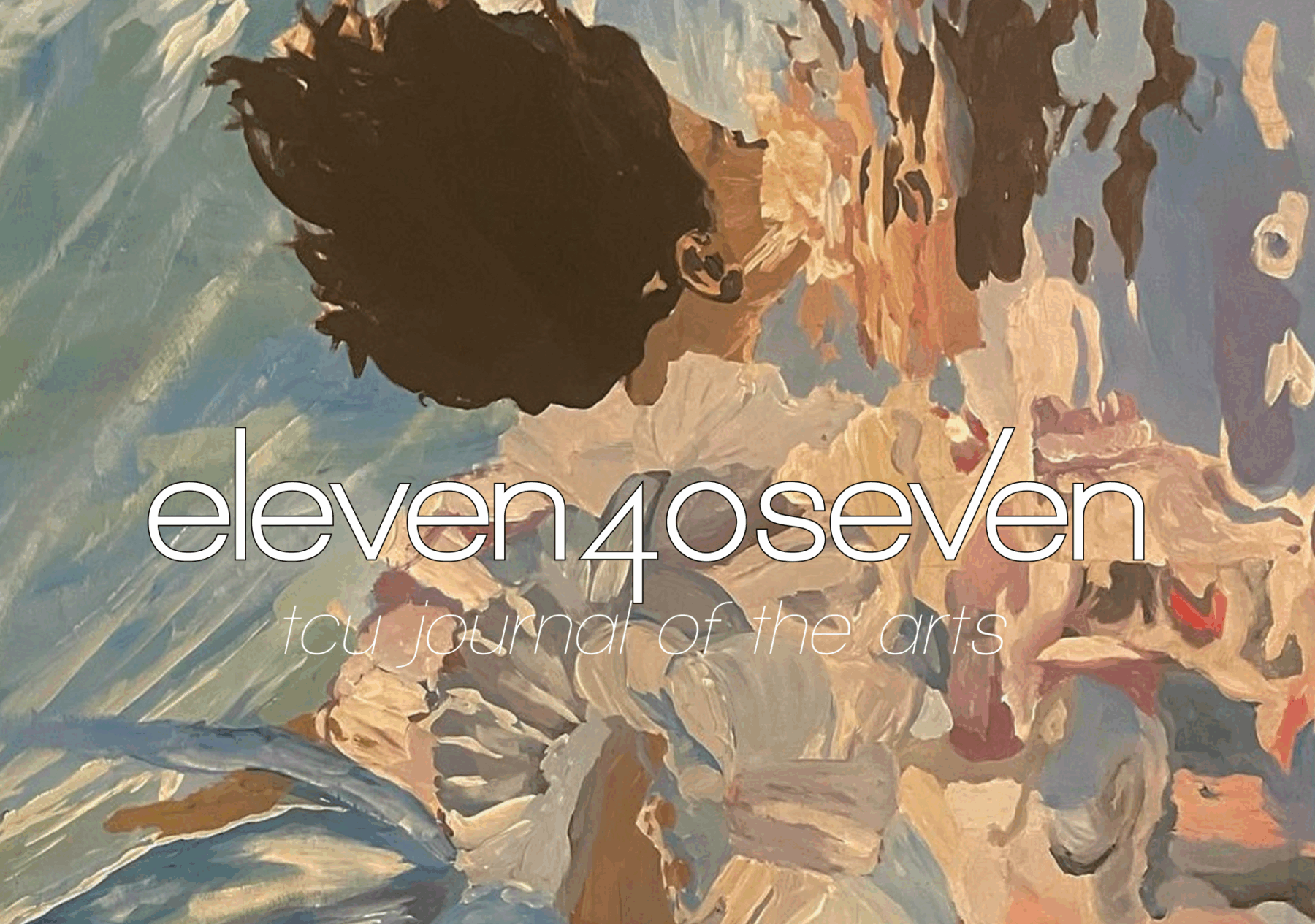

We didn’t live in the apartment on the 44th floor anymore. We made a life, we made our story. Yet, one quiet night, the stars looked brighter as we all sat at the mantel-adorned table inside an Italian restaurant in New York. John had made the reservation, arriving at 7 pm on the dot, and Isobel was retouching her makeup when I arrived fashionably late at 7:14 pm.
It had been six months since I last saw my siblings, but that night, we exchanged our hearts for an evening so we could learn each other better. I noticed our hearts had stitches our eyes never see. My brother laughed at the differences in the way our hearts beat. My sister said our hearts resemble pomegranates.
Today, I came across a picture we took that evening. My brother returned to our hometown; his work demanded his presence. His guidance was so paramount that the company demanded a leader. He puts his blood and sweat into it, and my heart beats for two now.
My sister decided to return to the windy city, where the breeze makes her feel at peace. I open a pomegranate every now and then, with bare hands, the feel making the nerve endings on my fingertips soar, and realize how brilliant she is. Our hearts do resemble pomegranates. The only way to taste each other is to gently peel every layer of skin. They are worth that effort.
I know I’m left with stitches now that we’re worlds apart. But my heart does not ache. I bear it like an old broken plate who is proud to be broken for her people. Because how beautiful it is to have people you miss so much you feel broken. They are my people. They are my blood. And blood has always been thicker than water, or at least pomegranate juice.
As for me, I returned to the south, with a sketch pad and pen, looking for a place that when I kneel in the middle of the curb to start drawing, the architecture has already bent me first. Because putting pen to paper already feels like leaving one world to enter another. This realization was like that strange electricity buzzing from the old ceiling fan in the kitchen; chaotic, crooked, and comforting.
And as I kneeled there, small knees against the curb, I wondered, what kind of universe allowed people to feel this kind of thrill with such disgraceful magnitude, and still expected them to do life’s mundane things? The air suddenly seemed unfit for such an act. And yet, in the cool air, beneath tree branches, the sunlight spilling light like honey across the floor, I discovered passion. One soul madly surrendering, not by grand gestures, but by letting what makes me feel alive corrode me slowly, beautifully, and without witness.
Every time I put pen to paper, it’s magic, not the fairytale kind, but the one of an aching woman who has finally found the question that ruins her logic. My pen has always allowed me to speak in half-sentences, trusting that I’ll find my own meaning eventually, never interrupting the architecture of my chaos.
During the spring, my lines loosen again, flowing freely in an unplanned manner, following, much like the light, slanting from the branches of the elms. I sit on the curb with my sketchpad opened in my lap and allow the lines to flow wherever they will. The building seems to breathe beneath my hand; I make the windows large and larger yet, because they seem that way in April, like they are breathing in. As though the whole building has been holding its breath throughout the winter months, only to exhale in the first warm days of spring.
The curved lines of spring give way to the straight lines of summer. The drawing process becomes confident, and erasing no longer exists; rather, ink replaces the pencil. Shadows under the awning become solid, and there is honesty and integrity in the bold strokes made in the hot weather. Each crack, line, and shadow shows no shame and refuses to cover anything up. And I love the building for their honesty.
Autumn brings a completely new medium to me, watercolors. Gold and gray tones start blending, and the lines begin bleeding away into the gray. Autumn leaves in the upper corners of the composition break free of the boundaries all the time. I allow them to do so every year. In October light, my building looks as though it thinks, as if it earned the right to contemplate its own history. The brush moves more softly. There is plenty of water now, allowing things to merge because autumn wants it so.
One must think winter makes it the hardest to draw. The air is so cold, making my hands clumsy and slow, yet it’s a reminder that despite my fingers being numb, my mind is still alive. By four in the afternoon, the light is gone. From across the street, I look at the building with a thermos and a pencil, wondering why I do this. The lines are the most concise; the buildings look barren because everything has been stripped bare. The only thing left is the stone facade, some iron railings, and the windows.
When a year passed, and I met my siblings again, this time in our hometown café, my brother suggested I draw something different, and my sister, being the true artist that she is with all mediums playfully made a joke at my expense and expressed that I was on the path of being an architect not an artist, if I only ever drew buildings. Yet I cannot explain to them why it is so new every season, every time. The building is different every time because I am different every time. And that my art does not reflect the architecture of the building, but reflects myself in my evolution, in my passage through life, grieving and grateful, experiencing all the ordinary, extraordinary events of being alive. The building is static, so I would not have to be. The building is static, yet my art is not, and my mind isn’t either.
John never understood why I wanted to pursue architecture, why I wanted to pursue my art, or why my sister was chasing a degree in plastic arts either. “I don’t want you two breaking yourselves looking for ghosts, for a dream that may not provide for you, ” he whispered, suit in place, hair perfectly styled. “And I don’t want you to die content in a cage.” I shot back, as my sister just sipped her latte. And I felt it, profoundly, where logic ends and wanting begins. I wanted to wrap my arms around him like a promise and ask if he’d ruin eternity with me, slowly, deliberately. As if circumstance wasn’t the one invisible thread holding us down. But instead, I looked at him long enough for the ache to slip from my lungs into his. I drove to the nearest curb and the ink just poured into paper and stained my fingers, as I felt alive just by drawing the building in front of me. Some nights don’t burn; they kneel. This one cracked its heart clean open for me.