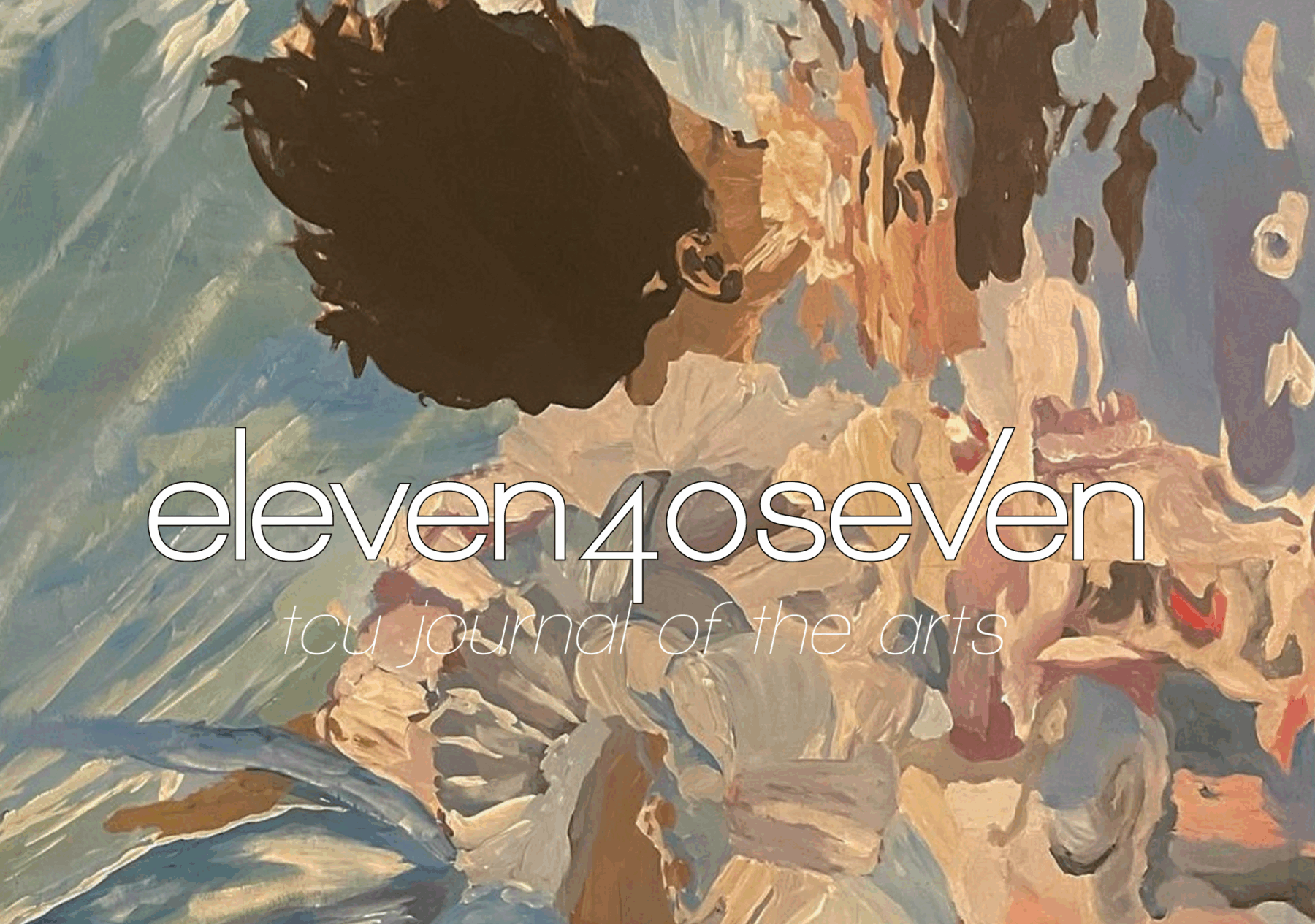
The ocean did not arrive all at once.
It rehearsed.
First it pressed its palm against the shore, testing the temperature of the town. Then it leaned farther, slipping its fingers through storm drains, resting its chin on the lowest steps of houses built too confidently.
Marisol noticed before anyone else.
In the mornings she unlocked the bakery on Calle Azul and breathed in the perfume of yeast and sugar. The warm, rising scent of things that believed in tomorrow. The ovens glowed like small suns. Flour drifted through the air and settled on her mother’s shoulders, turning her into something almost celestial.
“Water remembers where it belongs,” her mother would say, kneading dough with steady hands. “It always goes back.” But, the water did not go back. It lingered in the gutters like a thought no one wanted to finish. It climbed the ankles of street signs. It pooled in the cracks of pavement, filling them the way silence fills a room after bad news.
The town adjusted the way towns do. Sandbags appeared like stitched bandages. Porch steps were lifted. Conversations bent around the truth.
“It will recede,” they said, as if speaking a spell.
At night, Marisol dreamed she was standing beneath the surface of the sea. In her dreams, her lungs opened like windows. She did not drown. She expanded. Her voice traveled farther underwater than it ever had in air, echoing like a bell struck slowly. When she woke, her sheets clung to her skin with humidity. The air tasted faintly of salt.
The letter arrived on a Tuesday, official, folded, heavy with instructions. Relocation assistance. Climate migration. The language was calm, almost gentle, as if displacement were a courtesy.
Her mother placed the envelope on the counter between trays of cooling bread. The crusts crackled softly, still alive with heat.
“This is not the end,” her mother said. “It is a change of ground.”
But grief moved through her voice like an undertow.
The morning the ocean reached the bakery door, it did not knock. It entered. Water slid across the tile floor in a thin, shining sheet. It wrapped itself around the legs of tables and display cases, cool and patient. The reflection of the pastry shelves shimmered in it, doubled, wavering, uncertain.
A tray tipped.
Cinnamon rolls drifted loose, spirals unwinding in slow motion. They floated like small galaxies abandoning gravity.
Marisol stood barefoot in the rising tide. The water kissed her calves, then her knees. She could feel the chill traveling upward, asking a question.
Stay and be claimed.
Or leave and be remade.
Outside, the church bell rang once, then twice, the sound scattering like frightened birds. Men shouted. Sandbags thudded uselessly into place. The sky hung low and metallic, holding its breath.
Her mother untied her apron.
“We carry what we can,” she said, and her voice did not tremble.
There was no dramatic collapse. No single shattering. Just the quiet inventory of life. Photographs wrapped in plastic, the recipe book sealed inside a tin, the small ceramic lighthouse that had always stood near the register.
As they drove away, the town softened into distance. Rooftops became islands. Streets became rivers. The bakery sign dipped once beneath a swell, then disappeared as if exhaled.
For weeks afterward, Marisol felt hollowed, like a shell pulled from the shore, echoing with what used to live inside it.
In the inland town where they settled, the air was dry and unfamiliar. It scraped her throat. The sky seemed too wide without the horizon line of water to anchor it.
She baked again.
The first batch rose timidly, unsure of the altitude. The second lifted higher. By the third, the dough swelled beautifully, lighter than before, as if relieved of weight.
Salt, she realized, had changed her measurements.
Too much salt preserves and scars. Too little and the bread forgets its structure. What remains is balance, a chemistry of loss and adaptation.
One evening, a summer storm rolled across the inland sky. Rain slicked the pavement until the street gleamed like a memory of the sea. Marisol stepped outside and watched her reflection ripple in a shallow puddle. She did not look drowned. She looked carved, edges softened, interior widened.
The ocean had not destroyed her.
It had entered her.
Some homes are built of wood and stone.
Others are tidal. Shifting, restless, carried in the bloodstream.
When the rain stopped, she returned to the bakery and locked the door behind her. The air inside smelled of sugar and something faintly brined, a trace that would never quite fade.
And somewhere, far from Calle Azul, the ocean continued rehearsing,
but so did she.